







Peruvian President Jeri Declares State of Emergency in Lima and Callao
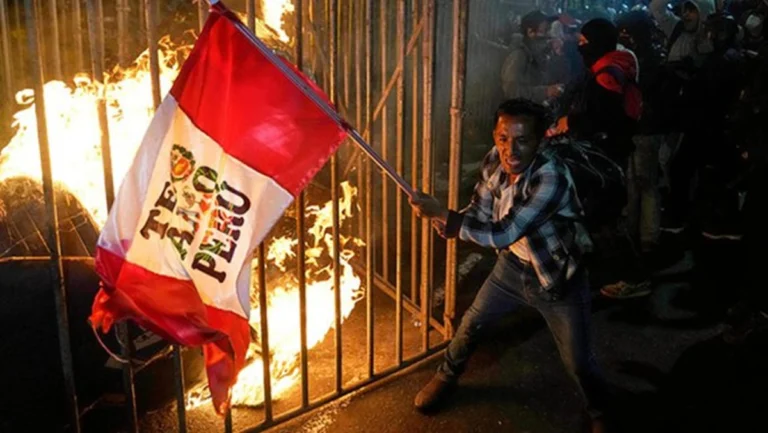
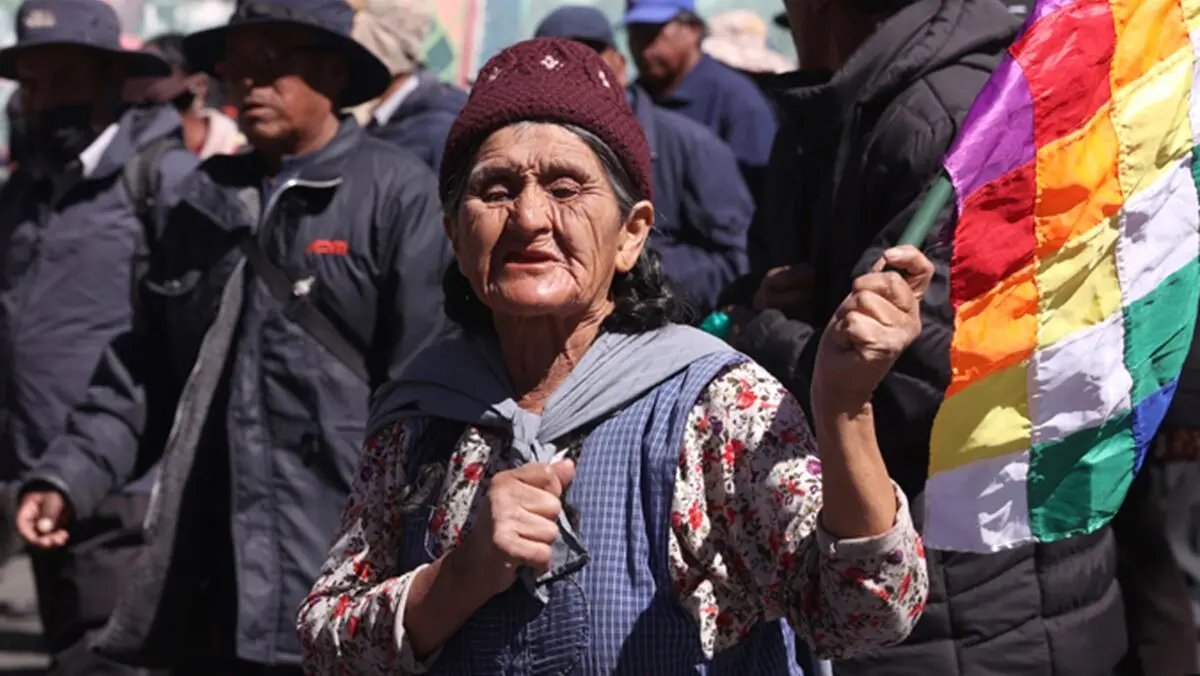
Protests in Peru, Oct. 2025. X/ @AzertacEs
October 22, 2025 Hour: 10:53 am
🔗 Comparte este artículo
Justified as a means to combat organized crime, the measure comes amid protests over his appointment.
On Tuesday, Interim President Jose Jeri declared a 30-day State of Emergency in the capital, Lima, and in the neighboring province of Callao.
RELATED:
Peru’s Constitutional Court Dismisses Legal Proceedings Against Keiko Fujimori
Justified as a measure to fight organized crime, the State of Emergency begins amid widespread social discontent over Jeri’s appointment as president.
In a televised and social media address to the nation, he said that “crime has grown disproportionately,” causing immense pain to thousands of families and damage to the national economy.
Jeri — who has been in office for less than two weeks after succeeding ousted President Dina Boluarte — added that “today we begin to change history” and that the fight against organized crime will allow the country “to recover peace and tranquility.”
“Wars are won with actions, not words,” he said, without providing further details about the measures included in the government’s State of Emergency decree.
The text reads, “Generation Z leads marches in Peru: Who are the young people taking political center stage in protests? Gen Z led protests that began against the Boluarte government and intensified on October 15 with demonstrations against Jeri.”
During the ongoing State of Emergency, fundamental rights such as the inviolability of the home and freedom of assembly will be suspended, at a time when a series of protests are taking place against the Jeri administration and Congress.
The decree also provides for the Armed Forces to support the National Police in combating organized crime through patrols in critical areas such as bus stops and subway stations.
Police and military personnel will also guard public institutions and establish temporary field command posts for combined forces in coordination with the most affected municipalities. The plan includes large-scale and permanent operations to seize illegal weapons, ammunition, explosives, and fireworks.
In addition, the State of Emergency allows authorities to restrict prisoner visits, limit electricity in cells to lighting only, and dismantle illicit telecommunications antennas.
In recent years, Peruvian governments have repeatedly declared states of emergency in several regions of the country — especially along the northern coast to fight illegal mining — and even in some districts of the capital so that the National Police can receive armed forces support in maintaining public security.
In recent weeks, transport workers have staged strikes and demonstrations to protest the impact of organized crime in Lima and other cities, which have left dozens dead in the urban transport sector alone. The issue was one of the main reasons behind the removal of former President Boluarte on Oct. 9 in a congressional vote.
teleSUR/ JF
Source: EFE